
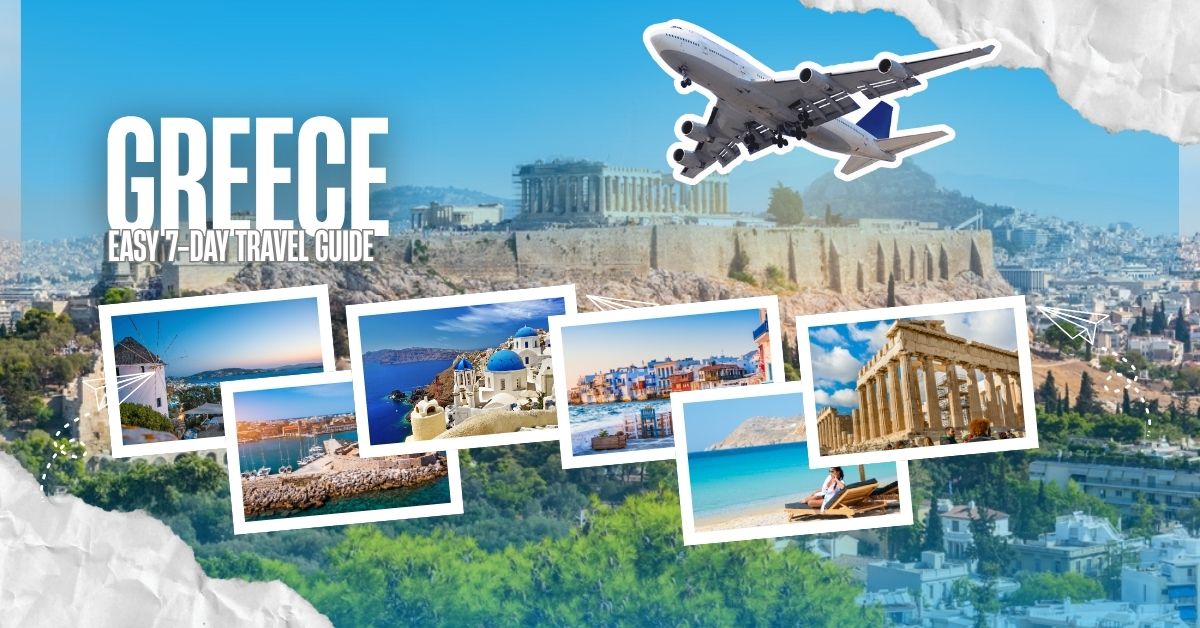
Greece, with its sun-drenched islands, craggy mountains, and ancient ruins, reads like a living epic — a place where myth and modernity dance side by side. Stretching across centuries, its stories have shaped philosophy, art, and civilization. But Greece isn’t just for history lovers: it’s a playground for adventurers, foodies, beachgoers, and eco-travelers alike. This 7-day Greece itinerary travel guide is for a curious, well-traveled explorer who wants a mix of culture, island glamour, local life, and a touch of adventure — visiting Athens, Mykonos, Santorini, and Rhodes Town on a budget-to-mid-range plan. It is an optimized travel to minimize wasted time while keeping the trip relaxed, deliciously Instagrammable and and meaningful experiences that make Greece a destination like no other — updated for today’s traveler. [wp_GAM_ADS_InPost1_shortcode] Day-by-Day Plan — Overview Day 1: Arrive Athens — Acropolis & sunset in PlakaDay 2: Athens morning, fly to Mykonos (late afternoon arrival) — wander Mykonos Town at nightDay 3: Full Mykonos — beaches, windmills, Little Venice, relaxed dinnerDay 4: Morning ferry to Santorini — Fira & Oia sunset (slow arrival day)Day 5: Santorini — volcano/boat option or island walk + vineyard tastingDay 6: Fly Santorini → Rhodes — old town exploration, Knights’ Street, harbor sunsetDay 7: Rhodes Town morning, fly back to Athens and depart (or extend) Now the polished, magazine-feel itinerary with practical details. DAY 1 — ATHENS: Arrival, ancient first impressions, and the Plaka buzz Morning — arrival & settle Land at Athens International Airport (ATH), take the metro (line 3) ~40 minutes to the center or a 30–45 minute taxi, depending on traffic. Check into a boutique mid-range hotel in Plaka/Koukaki (walkable to the Acropolis). Expect €80–€150/night for good mid-range choices in season; budget options from €40–€70. Afternoon — the Acropolis & Acropolis Museum Head to the Acropolis (late afternoon is ideal to avoid midday heat and crowds). Walk among the Parthenon, Erechtheion, and the viewing terraces. Then visit the Acropolis Museum nearby to see the sculptures and context that make the hill come alive. Evening — dinner with views Wander Plaka’s laneways — tavernas, outdoor tables and lots of photo ops. Sunset walk to Filopappou Hill for sweeping views of the city and the Acropolis glow. Why this rhythm? Short flights and ferries later in the trip are easier if you’re rested; plus the Acropolis at golden hour is a classic opener. [affiliate_banner p=”holidu_uk” t=”leaderboard”] DAY 2 — ATHENS → MYKONOS: Flight, arrival & the island’s nocturnal charm Morning — a slow morning in Athens Breakfast at a kafeneio (Greek coffee house). Quick exploring — Monastiraki flea market, Ancient Agora, if you missed it. Afternoon — fly to Mykonos Fly from Athens to Mykonos (JMK) — ~45 minutes flight time. Domestic flights run frequently with Aegean / Sky Express / Olympic — fast and often cheaper if booked 4–6 weeks ahead. Arrival — first impressions of Mykonos Town Transfer (taxi or pre-booked transfer) into Chora (Mykonos Town). Check into a comfortable guesthouse in Chora or Ornos (mid-range €90–€160 in season). Evening stroll through the windmills, Little Venice, winding whitewashed streets; early dinner by the waterfront. Nightlife option (if you want): Mykonos has lively bars and clubs. For a more local feel, choose a relaxed seaside bar in Little Venice or the Alefkandra lanes. DAY 3 — MYKONOS: Beaches, culture, and quiet corners Morning — beach time Pick from Psarou (trendy, higher cost), Super Paradise (party vibe), Platis Gialos (family friendly) or quieter Agios Sostis (more low-key). Book a sunbed at Psarou if you want the people-watching celebrity vibe; otherwise, rent a scooter or take the local bus to quieter coves. Afternoon — island exploring Lunch at a taverna with grilled fresh fish. Visit the Armenistis lighthouse for views or head up to Ano Mera village (a glimpse of everyday island life, monastery + central square). Evening — a sunset ritual Return to Chora for sundowner at the windmills, dinner at a small family-run taverna, and wander for photos in soft evening light. Practical tip: Mykonos roads can be steep, and parking is limited. Scooter rental is a great way to explore, but if you’re booking mid-range, taxis are easy and plentiful in season. [wp_GAM_ADS_InPost2_shortcode] DAY 4 — MYKONOS → SANTORINI: Ferry romance & cliffside dreams Morning — relax & depart Take a morning coffee and pack. Ferries from Mykonos to Santorini run several times a day; high-speed ferries take ~1 hr 55 min – 3 hrs depending on operator and vessel. SeaJets often operate the fastest crossings. Book a mid-day ferry to arrive in Santorini by afternoon. Arrival — the island’s cinematic intro Disembark on Santorini (Athinios/Fira port) and transfer up to Fira or Oia (bus or taxi). Check into a cave-style hotel or a mid-range guesthouse (Fira or Imerovigli for views; Oia for sunset-centric stays). Expect mid-range €120–€220/night in high season; shoulder season is cheaper. Evening — Fira & Oia sunset Light wander in Fira (shops, cliffside paths, cafes). Head to Oia for the legendary sunset (arrive early to claim a viewpoint). Have an evening meal with Cycladic dishes and local Santorini wine. Safety note: Santorini experienced a period of heightened seismic activity earlier in 2025; Greek authorities updated safety measures and announced infrastructure action, including plans for an evacuation port. Check local advisories before you travel and follow hotel/local instructions. Ferry/flight schedules have sometimes been affected by weather or emergency measures — plan flexibly. DAY 5 — SANTORINI: Volcano day or relaxed island immersion Option A — The classic: Volcano + Hot Springs + Fishing Village Morning boat tour to the volcanic caldera islands (Nea Kameni volcano), short hike, swim in thermal springs, and final stop at Ammoudi Bay (Oia) for fresh fish lunch. Afternoon: walk the caldera path Fira → Firostefani → Imerovigli for dramatic views. Evening: vineyard tasting (Santorini’s volcanic-rich Assyrtiko wines are exceptional). Option B — Slow & sensory Santorini Morning swim at Kamari or Perissa (black sand beaches), relaxed lunch. Afternoon pottery or cooking class (learn local recipes like fava and
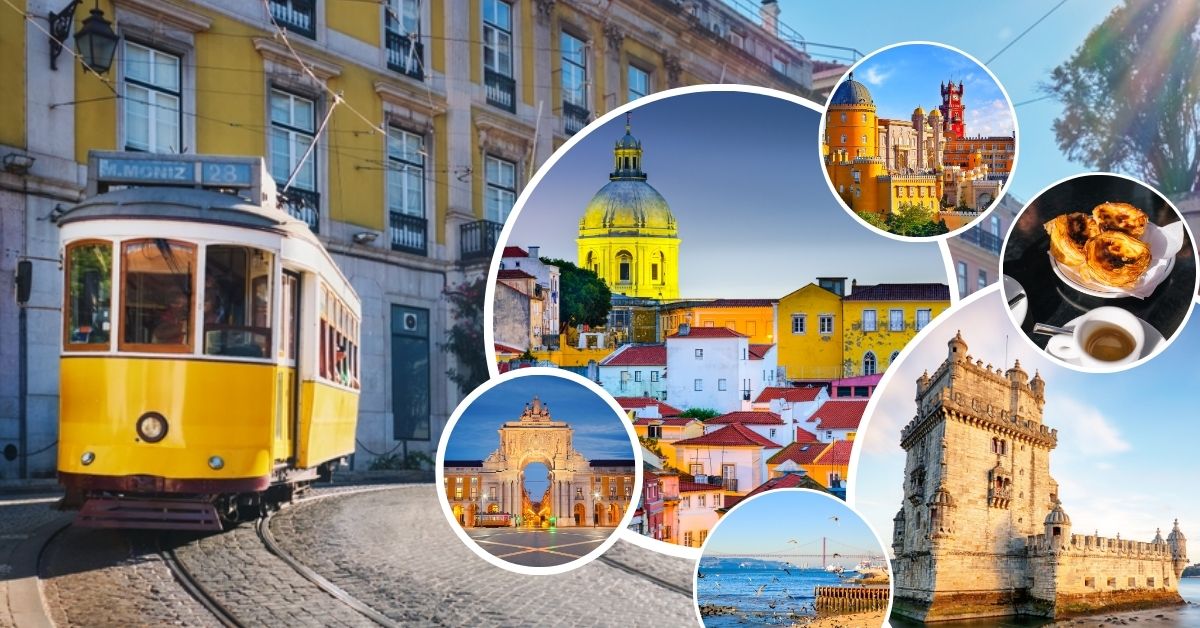
Lisbon—Portugal’s Golden City: Your Complete Travel Guide
If Lisbon were a poem, its verses would be written in sunlit hills, pastel-tiled rooftops, and the haunting notes of fado drifting through evening alleys. Towering over the Tagus River, Portugal’s capital is a city of dramatic contrasts — historic castles and modern waterfronts, bustling trams and serene miradouros (viewpoints), ancient Carmo ruins and futuristic districts. With a population of around 550,000 in the city proper and more than 2.8 million in the metro area, Lisbon is large enough to surprise you, yet it retains an intimate, walkable charm. In 2026, Lisbon continues to grow in popularity, but beyond the tourist hotspots are hidden corners that invite slower exploration and deeper connections. Long known for its maritime legacy, pastel de nata (custard tarts), and cozy neighborhoods, Lisbon now balances its historic character with responsible tourism and innovation. Whether you’re here for art, cuisine, day-trips, or just to savor life in a sun-drenched café, Lisbon feels familiar — yet every visit offers something new. [wp_GAM_ADS_InPost1_shortcode] When to Go: Best Time to Visit & Trends Lisbon enjoys a mild, sunny climate year-round, making it one of Europe’s most reliable destinations for comfortable travel. Visitor patterns follow familiar rhythms, but with a stronger emphasis on shoulder-season travel, as more travelers seek fewer crowds and better value. Spring (March–May) is one of the best times to explore Lisbon. Days are warm but not hot, outdoor cafés come alive, and jacaranda trees begin to bloom in late May, giving the city a purple-tinted glow. Temperatures usually sit between 15–22°C, and popular sights like Belém and Alfama feel pleasantly lively rather than packed. Autumn (September–November) offers similar advantages. The sea is still warm from summer, sunsets over the Tagus are spectacular, and daytime temperatures hover around 18–26°C in early autumn before cooling down. It’s the perfect season for scenic viewpoints, food markets, and long riverside walks. Summer (June–August) brings long, bright days and a festival atmosphere, but it’s also the busiest period. Expect hotter weather — often 28–33°C — and higher accommodation prices. If you travel in summer, early mornings are ideal for avoiding crowds at major attractions like Jerónimos Monastery and São Jorge Castle. Winter (December–February) is mild compared to most of Europe, with temperatures around 10–15°C and fewer tourists. It’s a cozy season for museums, fado evenings, and café-hopping, though occasional rain showers are common. Travel Trends to Know Tourism continues to rise steadily, but Lisbon has introduced more sustainability-focused measures to help balance visitor numbers. These include improved monitoring of crowd levels, better distribution of visitors across neighborhoods, and ongoing investment in public transport. You’ll notice more digital tools for planning, real-time transport info, and a growing push toward supporting local businesses — all part of Portugal’s effort to create a more responsible travel experience in 2026. [affiliate_banner p=”holidu_uk” t=”leaderboard”] Getting Around Lisbon: Transport Made Simple Public Transport: Pick up a Navegante card (rechargeable) to ride metro, buses, trams, and funiculars affordably. Ticket Prices (2025): A single journey costs about €1.66 (if you use “zapping” credit), while full fare is around €1.85. Trams: Iconic yellow Tram 28 winds through Alfama, Graça, Estrela, and Baixa — but it fills up quickly. Try taking Tram 12E or 15E instead if you want similar views but fewer crowds. Funiculars & Elevators: The Santa Justa Lift (Elevador de Santa Justa) offers a majestic ride between Baixa and Carmo Square. Ferries: Cross the Tagus River cheaply (ferries typically cost between €1.25–€3.15), especially scenic for getting to Cacilhas. Must-See Neighborhoods & Attractions Key Districts to Explore Lisbon is a city of distinct neighborhoods, each with its own rhythm, personality, and postcard-perfect appeal. Exploring them is half the joy of discovering the Portuguese capital, and many have been revitalized with new cafés, cultural spaces, and improved walkability. Baixa & Chiado Baixa is Lisbon’s elegant downtown grid, rebuilt after the 1755 earthquake. Its grand avenues, black-and-white mosaic pavements, and neoclassical buildings lead you toward the waterfront Praça do Comércio, one of Europe’s most striking squares. Just uphill, Chiado blends bookshops, theatres, and stylish boutiques. Don’t miss the Santa Justa Lift, which offers stunning views toward the castle. Alfama Lisbon’s oldest district is a maze of steep lanes, tiled houses, and tiny taverns spilling with the sound of live fado. Highlights include São Jorge Castle, the Sé Cathedral, and the iconic Tram 28 route. Even if you get lost — and you will — that’s part of Alfama’s charm. Belém This riverside district is all about history and pastries. Visit the monumental Jerónimos Monastery, the Belém Tower, and the Monument to the Discoveries. Then reward yourself with a warm, cinnamon-dusted pastel de nata from the famed Pastéis de Belém bakery — a must on every Lisbon itinerary. Bairro Alto By day, Bairro Alto feels relaxed and residential, with quirky boutiques and small cafés. By night, its cobbled streets turn into one of Lisbon’s liveliest nightlife hubs, filled with rooftop bars, music venues, and late-night food stops. It’s the best spot for a fun evening out with friends. Parque das Nações A modern contrast to old Lisbon, this waterfront district was transformed for Expo ’98 and is now a clean, contemporary area perfect for families and relaxed exploration. Stroll along the river, visit the impressive Oceanário de Lisboa (one of Europe’s largest aquariums), or take a cable car ride for panoramic views. LX Factory Housed in a former industrial complex under the 25 de Abril Bridge, LX Factory is Lisbon’s creative playground — full of street art, designer shops, concept cafés, and weekend markets. It’s a favorite among photographers, remote workers, and anyone who loves unique, artsy spaces. [wp_GAM_ADS_InPost2_shortcode] Highlights & Experiences: What to Do in Lisbon Historic & Scenic Attractions São Jorge Castle: This hilltop fortress offers panoramic views, gardens, and peacocks roaming the grounds. Jerónimos Monastery: A masterpiece of Manueline architecture and the resting place of the explorer Vasco da Gama. Belém Tower & Monument to the Discoveries: Walk along the Tagus to these iconic monuments celebrating Portugal’s Age of

Beautiful BARCELONA – Easy Travel Guide
Picture stepping into a sunlit city where medieval alleyways intersect with surrealist modernist architecture, where beach breezes mix with the clink of café cups and the hum of urban life. That is Barcelona — a cosmopolitan gem on Spain’s Mediterranean coastline, the beating heart of Catalonia, and one of Europe’s most magnetic cities. With over 1.5 million residents in the city proper (and more than 4 million including the suburbs), Barcelona is vibrant, densely layered, and endlessly captivating. Its 4,000-year history has produced a rich tapestry: from Roman foundations and Gothic cathedrals to Gaudí’s mind-bending creations and the modern energy born from the 1992 Olympics. But it’s not just a postcard city — Barcelona today is simultaneously warm and cosmopolitan, deeply rooted in Catalan traditions, and known worldwide as a friendly, forward-thinking metropolis. As we walk its streets, let’s explore Barcelona in a way that both honors its past and embraces its evolving soul. [wp_GAM_ADS_InPost1_shortcode] When to Visit & What’s New Best Seasons to Plan Your Trip Spring (May–June) and early autumn (September–October) remain ideal: pleasant temperatures (around 21–25 °C) and fewer crowds dash through. t Summer can be quite hot (+30 °C) — but the beaches, open-air bars, and long evenings make it magical. Winter is milder than in northern Europe, with daytime temps averaging 12 °C — perfect for a less-crowded, cozier city experience. What’s Changing in 2026 The city has banned organized bar crawls citywide. Authorities say it reduces disturbances, and while tourists won’t be fined directly, organizers risk penalties of up to about €1,000+. There’s a 66,740 sq ft plaza (Plaça Gaudí) being built in front of the Sagrada Família for photo-taking and crowd relief — expected to be completed by April 2026. Park Güell’s ticket price may rise: proposals suggest a jump from €10 to as high as €18. Tourist apartments (like many short-term rentals) are under tighter regulation; in fact, all tourist apartment licenses may end by 2028. The Port of Barcelona is being restructured: cruise ship capacity will be reduced, part of a broader effort to manage overtourism. These changes reflect a broader push for more sustainable, respectful tourism — not just for travelers, but for locals, too. [affiliate_banner p=”holidu_uk” t=”leaderboard”] Getting Around: Smart & Sustainable Travel Barcelona’s public transport system is efficient, comprehensive, and a green way to explore. The Metro is run by TMB and FGC, with 12 lines covering the city and suburbs. Here are a few transport-savvy tips: Buy transport passes: The Barcelona Card or Hola Barcelona card may be worthwhile depending on your plans — consider how many sites you’ll visit, and whether public transport is your main mode. Walk & cycle: Many neighborhoods (especially Eixample) are walkable, and there are bike lanes aplenty. Opting for foot travel helps you soak in the city’s rhythm. Avoid taxicabs if possible: Use public transport or licensed hybrid/electric transfers. Top Attractions: Must-Sees & Hidden Gems Gaudí & the Modernisme Wonders La Sagrada Família: Gaudí’s iconic basilica is still under construction. In 2025, advanced booking is essential — weekends and peak times sell out quickly. Casa Milà (La Pedrera): Known for its undulating façade and whimsical rooftop chimneys. The rooftop offers panoramic views, and the museum inside showcases Gaudí’s furniture and design. Casa Batlló: The dragon-scale roof and colorful façade make this one of Gaudí’s most magical works. Other Gaudí treasures: Don’t skip Casa Vicens, Palau Güell, and Torre Bellesguard — every corner of Barcelona seems sprinkled with his genius. Historic & Atmospheric Neighborhoods La Rambla: This famous pedestrian boulevard connects Plaça de Catalunya to the Columbus Monument at Port Vell. Expect street performers, outdoor cafés, markets, and lively palms. Gothic Quarter (Barri Gòtic): Narrow medieval alleys, hidden plazas, and Gothic architecture. It’s where Picasso once lived, and where history feels tangible. Rambla de Catalunya: Not to be confused with La Rambla — this is a trendy, tree-lined street in the Eixample district, dotted with boutiques, cafés, and elegant architecture. [wp_GAM_ADS_InPost2_shortcode] Hilltop Views & Open Spaces Montjuïc: A green hillside overlooking the city, home to the Magic Fountain, the MNAC (National Art Museum of Catalonia), and Olympic sites. Magic Fountain of Montjuïc: Famous for night shows where water, light, and music dance together in a dreamy spectacle. Tibidabo: Catch a vintage funicular up to this hill for panoramic views, an amusement park, and the soaring Temple of the Sacred Heart. Parc de la Ciutadella: A lovely green oasis in the city, perfect for picnics, rent-a-rowboat moments, or just relaxing by the Cascada fountain. Museums & Cultural Highlights MUHBA (Museum of the History of Barcelona): Located across several sites, including the underground ruins of the Roman city Barcino in Plaça del Rei. Museu Picasso: Focuses on Picasso’s early years in Barcelona, featuring his sketches and paintings. Fundació Joan Miró: On Montjuïc, this modernist museum showcases Miró’s surrealist works in a bright, open space. MNAC (National Art Museum): Housed in the Palau Nacional, this museum offers a sweeping collection from Romanesque church paintings to modern art—and a fantastic rooftop view. Sports & Stadiums Camp Nou: The legendary stadium of FC Barcelona. Go for a tour of the grounds and the Barça Museum — a must for soccer fans. Beaches: Where the City Meets the Sea Barcelona offers a mix of lively and mellow coastal escapes: Barceloneta: The classic, iconic beach — crowded, joyful, and very much part of city life. Nova Icària: Near the Olympic Marina, with several beach bars (“chiringuitos”) and restaurants — great for relaxing or dining. Bogatell: A longer stretch than Nova Icària, with jog-friendly promenades and space for peaceful strolls. Mar Bella: Known for being more laid-back and even hosting a naturist section. Discover Your Perfect UK Getaway with Holidu [affiliate_banner p=”holidu_uk” t=”square”] Looking for a getaway that feels effortless from start to finish? Holidu makes it simple to discover stunning holiday homes across the UK or anywhere in the world, whether you’re craving a quiet cottage or a coastal escape. With smart search tools and trusted reviews, you can find the perfect stay in
Tips For A Safe Travel Journey
Traveling is one of life’s greatest joys, offering thrilling adventures, eye-opening experiences, and opportunities for personal growth. Most people feel excitement and adrenaline when traveling. Sometimes they have experiences that open their eyes and change their mindset. The challenges and learning they went through along the way made them crave a safer travel journey. Also, the thrill and adventure they experienced increased their adrenaline, which made them jump into traveling abroad. But that is a different plan to make, and there are considerations that they need to understand. It would be an advantage to travel with enough security and safety precautions for everyone’s sake. To help you, we highlighted some tips for your safe and sound trips anywhere in the world. You can enjoy and, at the same time, feel safe while you are traveling. [wp_GAM_ADS_InPost1_shortcode] 6 Tips For A Safe Travel Journey 1. Do Your Research (DYOR) It would be best to gather as much information as possible about your destination before you arrive. Sometimes, travelers check hotels’ reviews and incidents of crimes and consult local people about the safest neighborhood. Also, an essential part is to be aware of whom to call during an emergency. It is best to check and ask for the contact information from the area’s police station and emergency departments. One of the most overlooked yet essential steps is identifying emergency contacts. Note down the phone numbers of the local police, your country’s embassy, and medical emergency services. Having this information at your fingertips can save valuable time in case of unforeseen circumstances. 2. Avoid Drawing Attention Tourists are easy targets of crime. Sometimes their looks make it evident that they are from out of town. It would be best to blend in among the people instead of drawing attention. Choose the pieces of clothing that you will wear and purchase items that are not attractive. Travelers always look at the maps and ask for directions, and we suggest that you do it nicely and in a friendly way. You can also invest in protective gear and clothes. When navigating unfamiliar streets, use maps discreetly, and if you need to ask for directions, do so in a friendly and confident manner. Investing in theft-proof bags, travel locks, or even a simple money belt can also add an extra layer of protection. [affiliate_banner p=”xcaret_glb” t=”leaderboard”] 3. Bring Copies Of Your Important Documents There are situations where you need to show your passport or other documents when traveling. It would be best to make and bring copies to avoid the worst possible consequences. You can scan the files and save them online, or you can print several copies. Store these copies in different locations: one in your luggage, one in your day bag, and a digital version saved securely online. Should you lose the originals, these copies will make the replacement process much quicker and less stressful. Sharing copies with a trusted friend or family member back home can also provide an additional safety net. 4. Update Your Family And Friends It is an excellent idea to let your family know where you are going, whether to a friend’s town or an international journey. It would be best to leave a copy of your itinerary with your closest friends and even the most trusted people. Let them know that you are in the place you are supposed to be. This is especially crucial if you’re venturing into remote areas or participating in activities like hiking or scuba diving. Should anything unexpected happen, your family will have a record of your last known location. Regular check-ins can provide peace of mind for both you and those waiting for your safe return. 5. Be Careful When Using Public Wi-Fi Sometimes being wary is the answer when it comes to using public Wi-Fi. Public Wi-Fi networks, commonly found in airports, cafes, and hotels, are convenient but notoriously insecure. Hackers can use these networks to intercept your personal information, including passwords, credit card numbers, and social security numbers. To minimize risks, avoid accessing sensitive information or making financial transactions on public Wi-Fi. Consider using a Virtual Private Network (VPN) to encrypt your data and ensure safe internet access. If a VPN isn’t an option, use your mobile data for secure browsing and safe internet access while traveling. 6. Be Aware Of Your Neighborhood And Surroundings Never, and do not let your guard down wherever you go. Sometimes, travelers love to capture places or things to post on social media, but make sure you hold it tight and know your surroundings. Maintaining situational awareness is one of the simplest yet most effective ways to stay safe. Pay attention to your environment, especially in crowded areas like markets, train stations, or festivals, where pickpockets may operate. While snapping photos or checking your phone, hold your belongings tightly and remain vigilant. Trust your instincts—if a situation feels off, it’s better to leave or avoid engaging with suspicious individuals. Simple habits like walking confidently and keeping valuables hidden can reduce the likelihood of becoming a target. Travel Smarter, Travel Safer Traveling is a rewarding experience that broadens horizons and creates lifelong memories. However, even the most exciting adventures require preparation and caution to ensure your safety. By researching your destination, blending in, safeguarding your documents, staying connected with loved ones, securing your digital presence, and maintaining awareness of your surroundings, you can significantly reduce risks and travel with confidence. Remember, the ultimate goal is to enjoy every moment of your journey while ensuring your well-being. By taking these tips for safe travel, you can embrace the thrill of exploration with peace of mind, knowing you’ve done everything possible to stay safe. So pack your bags, secure your essentials, and embark on your next great adventure with a confident stride! Enjoy the Xcaret.com offers and plan your vacation! [affiliate_banner p=”xcaret_glb” t=”square”] Made for tourists seeking to immerse themselves in the wonders of the Mexican Caribbean. From exploring underground rivers and snorkeling in coral reefs

15 Best Travel Destinations for January 2026: Top Picks for an Unforgettable Start to the Year
As winter settles in and the year kicks off, January becomes the perfect time to escape from the ordinary and embrace new adventures. Whether you’re looking to enjoy the tranquility of snowy landscapes, soak up the sun, or explore a vibrant cultural scene, January offers an abundance of travel opportunities. But how do you choose where to go when the possibilities are endless? In this article, we’ll take you through the 15 best travel destinations for January, each offering something unique, exciting, and memorable. From peaceful beaches to bustling city streets and stunning mountain retreats, we’ve got a destination for every type of traveler. We’ll also share tips on why each of these places is perfect for the month and how to make your experience even more unforgettable. Let’s dive in! The 15 Best Travel Destinations for January 2026 1. Reykjavik, Iceland: A Winter Wonderland of Natural Wonders Why Go: January in Reykjavik is an incredible experience. The city is surrounded by Iceland’s stunning nature—think volcanoes, glaciers, geysers, and waterfalls—all covered in a blanket of snow. The cold and crisp air sets the scene for exploration and adventure, and the long nights (with only a few hours of daylight) offer prime conditions for seeing the Northern Lights. In addition, January is off-peak season, so you’ll find fewer tourists, making it easier to enjoy the country’s beauty in a more tranquil setting. How to Make It Memorable: Northern Lights Tour: Take a guided tour to the best spots for viewing the Northern Lights. Since Iceland is one of the best places on Earth to catch the Aurora Borealis, this experience will truly be the highlight of your trip. Blue Lagoon: After a day of sightseeing, unwind at the famous Blue Lagoon. The contrast of warm geothermal waters with the cold winter air is something you 29w3on’t forget. Golden Circle Tour: Explore the iconic Golden Circle route, where you’ll encounter Geysir, the world’s first geyser, the majestic Gullfoss waterfall, and Þingvellir National Park, a UNESCO World Heritage site. [wp_GAM_ADS_InPost1_shortcode] 2. New York City, USA: Start the Year with Energy and Excitement Why Go: New York City is always alive, but January gives it a special charm. While the hustle and bustle continues, the frigid temperatures often keep the crowds lighter, especially after the New Year’s festivities. This makes it an ideal time to explore the city’s landmarks without long lines. Plus, the holiday lights are still up, offering a magical winter atmosphere. Whether you’re interested in shopping, theater, or sightseeing, the city’s energy in January is palpable. How to Make It Memorable: Ice Skating in Central Park: The iconic Wollman Rink in Central Park is a must-see. Skating surrounded by the beauty of snow and the Manhattan skyline is a magical experience, especially on clear, cold days. Broadway Shows: Take advantage of special deals during Broadway Week, which offers two-for-one tickets for top theater productions. Seeing a Broadway show in January means fewer crowds, making the experience more intimate. Winter Walks: Visit Times Square or walk across the Brooklyn Bridge for a wintery view of the city. The cold weather often adds an extra layer of charm, especially in the early morning or late evening. [affiliate_banner p=”xcaret_glb” t=”leaderboard”] 3. Maldives: Soak in the Sun in Paradise Why Go: January is the peak of the dry season in the Maldives, making it one of the best times to visit. With warm, sunny weather, calm seas, and a gentle breeze, it’s the perfect time to experience the island’s famous beaches. The Maldives is known for its luxurious resorts, clear waters, and incredible underwater experiences, making it an ideal destination for a relaxing escape, especially for couples, honeymooners, or anyone in need of some pampering. How to Make It Memorable: Snorkeling or Diving: Dive into the Maldives’ crystal-clear waters, home to vibrant coral reefs and abundant marine life. If you’re a diving enthusiast, sign up for a dive course to explore deeper underwater ecosystems. Private Island Dinner: Many resorts offer a private dinner on a secluded beach. Watching the sunset and dining under the stars in a private setting is a perfect way to make memories. Spa Day: Take a break and indulge in a luxurious spa treatment at one of the world-class spa facilities available at most resorts. Enjoy a relaxing massage, facial, or wellness treatment surrounded by the tranquil setting of the Indian Ocean. 4. Queenstown, New Zealand: The Adventure Capital of the World Why Go: January in Queenstown is the peak of summer in the Southern Hemisphere, offering warm weather and the opportunity to explore the rugged landscape without the chill of winter. It’s a haven for adventure seekers, with thrilling activities like bungee jumping, skydiving, and jet boating available all year long. With its beautiful lakes, alpine scenery, and adrenaline-packed activities, Queenstown is a must-see destination for thrill-seekers. How to Make It Memorable: Bungee Jumping or Skydiving: Queenstown is known for its thrilling outdoor adventures. For the ultimate adrenaline rush, try bungee jumping from the Kawarau Bridge, the world’s first bungee jumping site, or skydive over Lake Wakatipu. Hiking: Explore the nearby Remarkables mountains or take a trek along the Routeburn Track, one of New Zealand’s Great Walks, for stunning views of alpine landscapes. Wineries: Queenstown is also a hub for wine lovers. Take a wine tour through the Gibbston Valley, known as the “Valley of Vines,” and taste some of the region’s finest Pinot Noir. 5. Tulum, Mexico: Chill Vibes and Stunning Beaches Why Go: Tulum offers a tranquil retreat with beautiful beaches, crystal-clear water, and a laid-back atmosphere. January is one of the best times to visit, as it falls during the dry season, offering perfect beach weather and sunny skies. Unlike other popular destinations in Mexico, Tulum remains relatively quiet, preserving its relaxed, eco-friendly vibe. It’s an ideal spot for beach lovers and those seeking a mix of adventure and relaxation. How to Make It Memorable: Visit the Tulum Ruins: Don’t miss the ancient Tulum ruins overlooking

Best Destinations to Relax, Renew, and Refresh Yourself
In today’s fast-paced world, it’s easy to get caught up in the hustle and bustle of daily life. Whether it’s work deadlines, family obligations, or simply the constant stream of notifications, our minds and bodies are constantly in motion. This is why taking time to relax and recharge is so important. Traveling can be the perfect way to hit the reset button, allowing you to disconnect, unwind, and return feeling rejuvenated. The best destinations to relax can provide that much-needed escape from your routine, offering peace, tranquility, and the chance to focus on your mental and physical well-being. But how do you find the right places to recharge yourself? Whether you’re looking for stunning natural beauty, peaceful retreats, or soothing cultural experiences, countless destinations across the world can offer exactly what you need to refresh your mind and soul. In this article, we will explore the top 15 best destinations to relax, renew, and refresh, each providing the perfect setting for your next rejuvenating getaway. [wp_GAM_ADS_InPost1_shortcode] Why Traveling is an Amazing Way to Recharge Yourself Before we dive into the best destinations to relax, it’s important to understand why traveling is such a great way to recharge. Here are a few reasons why travel is beneficial for your well-being: 1. Break from Routine When you step away from the demands of your daily life, you free yourself from the constant pressures that come with it. Whether it’s the stress of work, household chores, or personal commitments, traveling offers you the chance to break free and focus solely on your own needs. 2. Stress Relief Being in a new environment can reduce the stress you typically feel at home or work. The unfamiliar scenery and activities can help you mentally detach from your responsibilities, allowing your mind to rest and recover. 3. Mental Clarity When you travel, you allow yourself to reflect. Without the usual distractions, you can gain clarity about your life and make decisions with a clearer mind. 4. Physical Rejuvenation Traveling often involves activities that can be great for your physical health, such as hiking, swimming, yoga, or simply taking a leisurely walk in nature. These activities can help you feel more energized and improve your overall health. 5. Experiencing New Cultures Immersing yourself in a new culture can be incredibly refreshing. Whether it’s trying new foods, learning about different customs, or just exploring a new city, these experiences can open your mind and help you return feeling recharged. Now, let’s explore the best destinations to relax that can help you renew and refresh your spirit. [affiliate_banner p=”xcaret_glb” t=”leaderboard”] 15 Best Destinations to Relax, Renew, and Refresh Here’s a list of 15 amazing places that promise the perfect mix of relaxation, adventure, and self-renewal. These destinations will not only help you unwind but also recharge your mind, body, and soul. 1. Bora Bora, French Polynesia Known for its crystal-clear turquoise waters and overwater bungalows, Bora Bora is a tropical paradise that offers the ultimate relaxation. Spend your days lounging on the beach, snorkeling in coral reefs, or enjoying a traditional Polynesian massage. Why it’s great: Bora Bora offers an idyllic, peaceful atmosphere with stunning turquoise waters and sandy beaches that are perfect for unwinding. The overwater bungalows are designed to maximize privacy and comfort, while the surrounding coral reefs offer unparalleled opportunities for snorkeling and diving. With a slower pace of life and luxurious amenities, it’s an ideal spot for those looking to fully immerse themselves in relaxation. Perfect for: Couples celebrating a honeymoon, those looking for a luxurious getaway, and anyone needing total tranquility. It’s also perfect for adventure-seekers who enjoy water sports like kayaking, paddleboarding, and snorkeling. 2. Kyoto, Japan Kyoto is a city that seamlessly blends the beauty of nature with cultural richness. From tranquil temples and beautiful gardens to traditional tea ceremonies, Kyoto provides an ideal environment for meditation and self-reflection. Why it’s great: Kyoto is a city rich in history, culture, and spirituality, offering a serene environment away from Japan’s bustling urban centers. Visitors can explore ancient temples and peaceful gardens and participate in traditional tea ceremonies that provide moments of calm and mindfulness. Kyoto’s slower pace of life and cultural emphasis on relaxation make it a perfect retreat for rejuvenating both body and mind. Perfect for: Those looking for spiritual renewal or cultural immersion, solo travelers, history buffs, and anyone seeking to practice mindfulness and reflection in a peaceful, quiet setting. 3. Santorini, Greece With its whitewashed buildings, blue-domed churches, and stunning sunsets, Santorini is one of the best destinations to relax. The island’s slow pace of life and breathtaking views will help you unwind and refresh. Why it’s great: Santorini is one of the most picturesque places on Earth, known for its dramatic views of the Aegean Sea and whitewashed buildings against the backdrop of volcanic cliffs. The island offers incredible sunsets, beautiful beaches, and vibrant local culture. The laid-back atmosphere allows visitors to escape the stress of everyday life and enjoy a luxurious but relaxed vacation. Perfect for honeymooners, couples, and solo travelers seeking a combination of relaxation and romance. Those who enjoy exploring charming towns, indulging in Mediterranean cuisine, or simply watching the sunset in peace will find Santorini ideal. [wp_GAM_ADS_InPost2_shortcode] 4. Maldives Famous for its luxurious resorts and beautiful beaches, the Maldives is a fantastic place to recharge. Here, you can enjoy relaxing spa treatments, swim with colorful fish, or simply relax on the beach with the sound of the waves. Why it’s great: The Maldives is the epitome of tropical luxury, with private island resorts, crystal-clear waters, and white sandy beaches. It offers a mix of activities for both adventure lovers and those seeking serenity, from snorkeling with vibrant marine life to unwinding at a world-class spa. The Maldives also has a range of overwater bungalows that provide both privacy and scenic views, ideal for those who want to disconnect from the world. Perfect for: Honeymooners, couples, solo travelers, and those seeking ultimate relaxation in an exclusive setting. It’s
Advantages And Disadvantages Of Cheap Travel Deals
Who doesn’t love a bargain, especially when it comes to vacations? Cheap travel deals make dream vacations accessible to more people by offering affordable all-inclusive packages that simplify budgeting and planning. These packages can cover everything from flights and accommodations to meals, drinks, and activities. Whether it’s a beach resort in Cancun or a family-friendly trip to Disney World, these deals offer convenience and significant savings. But as with anything, they come with a mix of pros and cons. Here, we’ll dive into the key advantages and potential downsides of cheap travel deals to help you make an informed choice for your next trip. [wp_GAM_ADS_InPost1_shortcode] Advantages of Cheap Travel Deals 1. Cost Savings and Predictable Budgeting Cheap travel deals are designed to offer great value, providing everything from transportation to meals at a fraction of the cost of booking each item separately. With an all-inclusive deal, the major costs—airfare, lodging, meals, and often activities—are bundled, allowing travelers to pay a single price and avoid the hassle of budgeting for each part of the trip. This makes it easier to stay within budget and enjoy the trip without worrying about unexpected expenses cropping up. For families or groups, this can lead to significant savings, often making it possible to afford a destination that might otherwise be out of reach. 2. Simplified Travel Planning One of the greatest advantages of cheap travel deals is the simplicity it brings to planning. When booking an all-inclusive vacation, the essential components—like flights, airport transfers, accommodations, and dining—are taken care of in one go. This is particularly beneficial for travelers who prefer not to spend time organizing each element of their trip. It eliminates the need to research and compare prices for individual activities, saving both time and effort. For busy people, this streamlined planning process makes travel more accessible, stress-free, and enjoyable. 3. All-Inclusive Activities for Every Age and Interest Cheap travel deals often come with a wide range of activities included, allowing travelers to try various experiences without added costs. At beach resorts, water sports such as snorkeling, kayaking, and paddleboarding are frequently included, along with access to pools, beach chairs, and other amenities. Some all-inclusive packages at destinations like Disney World cover park admissions, rides, and even fast-track passes, adding substantial value for families. For adults, these packages may offer entertainment like live shows, dancing, or themed parties. This all-encompassing experience provides a great way to sample a range of activities without constantly reaching for your wallet. 4. Quality Dining Options and Diverse Cuisine Most all-inclusive deals include meals and beverages, often with a range of dining options to cater to different tastes. Resorts generally feature multiple restaurants and buffets, allowing guests to sample everything from local cuisine to international dishes. This is particularly beneficial for travelers who enjoy trying different foods but are hesitant to risk paying for unfamiliar dishes at local restaurants. The unlimited dining options ensure that everyone, even picky eaters, can find something to enjoy without the pressure of additional cost. In some cases, guests can even enjoy premium drinks and gourmet dining experiences, depending on the package level. [affiliate_banner p=”xcaret_glb” t=”leaderboard”] 5. Family-Friendly and Safe Environment For families with children, an all-inclusive resort offers the dual benefits of safety and convenience. Kids’ clubs, supervised activities, and designated family areas are often included, giving parents peace of mind while allowing kids to have their own fun. Additionally, resorts are typically secure environments with limited access, allowing kids a level of independence in a controlled setting. This setup also relieves parents from constant supervision, letting them enjoy their own downtime. Many family-oriented resorts even have trained staff for activities, giving parents some worry-free relaxation. 6. Opportunities for Social Interaction All-inclusive resorts are popular for group travel and are a great choice for solo travelers looking to meet new people. These environments foster a community atmosphere, where guests participate in group events, games, and even themed dinners. For solo travelers, this setup encourages socialization, creating opportunities to meet people from around the world. Group excursions like guided city tours, beach barbecues, or evening shows are designed to bring guests together, providing a social and vibrant atmosphere for those looking to connect with others. 7. Flexible and Convenient Cancellation Policies Many travel companies now offer affordable all-inclusive packages with flexible cancellation policies, giving travelers peace of mind. This has become especially important post-2020, as flexibility and reassurance around cancellations are now top priorities. In many cases, you can reschedule or cancel your trip up to a certain date without incurring large fees, allowing you to book your vacation without fear of losing your investment if plans change unexpectedly. Additionally, booking an all-inclusive package often means there’s a single point of contact for changes, making it easier to handle modifications. 8. Local Excursions and Guided Experiences While the primary appeal of all-inclusive packages is the convenience and cost-savings on-site, many cheap travel deals now also include free or discounted local excursions. This could mean a day trip to a nearby cultural site, a guided city tour, or even a scenic boat trip. These experiences add extra value to the package, allowing travelers to explore the local area without incurring extra costs. They also allow travelers to dip into the culture without the need to arrange separate bookings or pay high tour guide fees. 9. Availability of Wellness and Relaxation Facilities For travelers seeking relaxation, many all-inclusive resorts now include wellness amenities such as fitness centers, spas, yoga sessions, and pools within the package. This is particularly appealing to those looking for a stress-free escape, as they can enjoy wellness treatments and fitness activities at no additional cost. Some packages even offer limited access to spa treatments like massages or facials, adding a luxury element to the vacation without the premium price tag. 10. Ideal for First-Time or Inexperienced Travelers For travelers new to international destinations or those who may feel nervous about navigating unfamiliar cultures, cheap travel deals provide a safe and

The Best Budget Travel Accessories You Can Find on Amazon in 2025
Traveling can be an exhilarating experience, but it can also come with its fair share of stress. Whether you’re struggling to organize your luggage, running out of device batteries mid-trip, or misplacing your travel documents, these challenges can quickly dampen your adventure. Thankfully, there’s a range of innovative and budget travel accessories on Amazon designed to make your journeys smoother and stress-free in 2025. With countless options available, it can be overwhelming to figure out what’s worth investing in. From compact gadgets to space-saving solutions, this guide breaks down the best budget travel accessories to simplify your trips and enhance your experience. These top picks are not only highly rated by travelers worldwide but also perfect for all kinds of adventures—from weekend getaways to long-haul journeys. Best Budget Travel Accessories You Can Find on Amazon in 2025 1. Osprey Travel Packing Cubes – Stay Organized on the Go Packing cubes have revolutionized how we pack. These zippered compartments let you organize clothes, toiletries, and accessories, keeping everything neat and accessible. The Osprey Ultralight Packing Cubes set is a standout choice in 2025, praised for their durability and lightweight design. They make unpacking at your destination effortless while preventing clothes from wrinkling. Why You Need It: Keeps items organized and compact. Saves time when searching for specific items. Perfect for backpackers and suitcase travelers alike. Price: $37.10 on Amazon [wp_GAM_ADS_InPost1_shortcode] 2. LifeStraw Personal Water Filter – For the Adventurous Traveler For outdoor enthusiasts and adventurers, the LifeStraw personal water filter is a must-have. This portable device filters bacteria and parasites from natural water sources, ensuring safe hydration during hikes, camping trips, or international travels. Key Features: Filters up to 1,000 gallons of water. Compact and easy to carry. Eliminates the need to carry large amounts of bottled water. Price: $19.95 3. 3 in 1 Foldable Magnetic Wireless Charger Dock Keeping multiple devices charged while traveling can be a hassle. This foldable magnetic wireless charger dock lets you power up your iPhone, Apple Watch, and AirPods simultaneously using a single outlet. It’s compact and travel-friendly, perfect for tech-savvy travelers. Benefits: Reduces cable clutter. Compact and foldable for easy packing. Ensures all devices are charged overnight. Price: $41.99 4. Zoppen RFID Travel Passport Wallet – Secure Your Essentials Losing your passport or falling victim to identity theft can turn your dream vacation into a nightmare. The Zoppen RFID Travel Passport Wallet protects your travel documents and credit cards from electronic theft while keeping everything organized in one place. Why Travelers Love It: RFID-blocking technology for added security. Multiple compartments for passports, cards, and cash. Compact and stylish design. Price: $16.99 5. Long Flight Comfort Kit – EverSnug Travel Blanket and Pillow Enduring long-haul flights is more manageable with a well-curated comfort kit. This EverSnug Travel Blanket and Pillow bundle includes a travel pillow, sleep mask, earplugs, and a footrest, ensuring you arrive refreshed and ready to explore. Why It’s a Must-Have: Improves in-flight comfort significantly. Includes all essentials in one package. Compact and budget-friendly. Price: $24.99 6. Tomtoc Travel Backpack 40L The Tomtoc Travel Backpack 40L is an airline-approved carry-on backpack perfect for both short getaways and longer trips. Designed with functionality and versatility in mind, it offers ample storage while staying compact enough to meet cabin bag restrictions. Key Features: Generous Capacity: With 40 liters of space, it can accommodate clothes, gadgets, and travel essentials. Organized Compartments: Separate sections for a laptop (fits up to 17 inches), accessories, and clothes make packing a breeze. Durable Design: Made from weather-resistant materials to protect your belongings. Comfortable Carrying: Padded shoulder straps, a chest strap, and breathable back padding ensure maximum comfort. Price: $99.99 [wp_GAM_ADS_InPost2_shortcode] 7. BAGSMART Electronics Organizer Travel Case – Tidy Up Your Tech Gear The BAGSMART Electronics Organizer Travel Case is an essential accessory for travelers who want to keep their cords, chargers, and gadgets neatly arranged. With its compact size and well-designed compartments, it’s ideal for ensuring your electronics are safe and easy to find. Key Features: Spacious Storage: Dual-layer compartments with multiple elastic loops and mesh pockets to organize cables, power banks, adapters, and more. Durable and Water-Resistant: Made from high-quality nylon with a water-resistant exterior to protect your devices. Compact Design: Lightweight and slim, it easily fits into a backpack or carry-on bag. Customizable Dividers: Offers adjustable sections to fit items of varying sizes. Price: $19.99 8. Lhknl Rechargeable Headlamp – Illuminate Your Adventures Whether exploring caves, hiking at night, or dealing with a power outage, the Lhknl Headlamp Flashlight is a reliable tool. Its motion-sensor feature allows hands-free operation, making it perfect for outdoor adventures. Top Features: Rechargeable battery with long life. Lightweight and comfortable to wear. Bright enough to light up trails or tents. Price: $17.99 9. SanDisk iXpand Flash Drive Luxe The SanDisk iXpand Flash Drive Luxe is a versatile and compact storage solution for travelers who need extra space for photos, videos, and important files. With its dual connectors, it’s perfect for transferring data between devices without relying on cloud storage or internet connections. Reasons to Own It: Dual Connector Design: Features both Lightning and USB-C connectors, making it compatible with iPhones, iPads, and Android devices. Massive Storage: 256GB capacity to store thousands of photos, videos, and files. Compact and Durable: Sleek metal design that is lightweight and easy to carry. Automatic Backup: The companion app lets you quickly back up your media files, freeing up space on your devices. Price: $44.99 10. Tomtoc 3.5L Sling Bag – Secure and Accessible The Tomtoc 3.5L Sling Bag is a stylish, compact travel companion designed for convenience and security. Its lightweight build and thoughtful design make it perfect for day trips, sightseeing, or quick errands during your travels. Why It’s Great: RFID Blocking Technology: Protects your credit cards and passports from unauthorized scans. Compact Yet Spacious: 3.5L capacity with organized compartments for small items like a phone, wallet, keys, and even a small tablet. Durable and Lightweight: Made from water-resistant fabric, keeping your essentials safe from

A Complete Travel Guide to Paris: Explore the City of Light
Paris, the capital of France, is more than just a city—it’s an experience. Renowned for its timeless charm, iconic architecture, and unparalleled romance, this travel guide to Paris will enchant every visitor with its café-lined streets, the aroma of freshly baked croissants, and a sophisticated culture that permeates every corner. Whether you’re drawn to its rich history, fashion-forward lifestyle, or world-class cuisine, Paris is a city that leaves a lasting impression on all who visit. Travel Guide to Paris—A Beginners Guide To Enjoy The City This guide will take you through everything you need to know for an unforgettable trip to the City of Light. From how to get there and where to stay to the best sights, activities, and dining options, this travel guide to Paris is your ultimate companion. Getting to Paris Paris is a highly accessible destination with multiple travel options that cater to every budget and preference, ensuring your journey to the City of Light is as smooth and enjoyable as possible: By Air Charles de Gaulle Airport (CDG): As France’s largest international airport, CDG handles millions of passengers each year and offers an extensive range of global flights. Inside, you’ll find a variety of amenities including duty-free shops, lounges, and diverse dining options to make your transit comfortable. The RER B train connects the airport directly to the city center in about 35 minutes, while Le Bus Direct and numerous shuttle services provide convenient alternatives. Orly Airport (ORY): Located closer to the city, Orly serves primarily European and domestic flights. It features modern facilities with ample shopping and dining choices. The Orlyval light rail links to the RER B, making it easy to reach central Paris. Additionally, buses and taxis are readily available for direct transfers. Paris Beauvais Airport (BVA): Often used by low-cost carriers, Beauvais is situated about 85 kilometers from Paris. While it’s a bit farther, budget travelers can take a dedicated shuttle bus from the airport to Porte Maillot in Paris, a journey that takes approximately 1 hour and 15 minutes. [wp_GAM_ADS_InPost1_shortcode] By Train Eurostar: The high-speed Eurostar train connects London St Pancras International to Paris Gare du Nord in just over two hours. Traveling through the Channel Tunnel, it offers a seamless and scenic route, making it a favorite for travelers coming from the UK. TGV (Train à Grande Vitesse): France’s high-speed TGV trains link Paris to major cities across France and Europe, including Lyon, Marseille, Brussels, and Barcelona. These trains are known for their punctuality, comfort, and speed, allowing you to reach Paris from neighboring countries in just a few hours. Thalys: Another high-speed option, Thalys trains connect Paris with cities like Amsterdam, Cologne, and Brussels. With multiple daily departures, Thalys offers flexibility and convenience for international travelers. By Road Bus Services: Companies like FlixBus, BlaBlaCar Bus, and Ouibus provide affordable and frequent services to Paris from various European cities. Modern buses are equipped with comfortable seating, Wi-Fi, and power outlets, making long journeys more pleasant. Driving: If you prefer the freedom of your own vehicle, driving to Paris is an option. Major highways such as the A1, A4, and A6 connect Paris to neighboring regions and countries. However, be prepared for heavy traffic and limited parking in the city center. Utilizing parking garages or park-and-ride facilities on the outskirts can help alleviate these challenges. By Ferry From the UK: For those traveling from the United Kingdom, ferries depart from ports like Dover, Newhaven, and Portsmouth, docking at Calais, Dieppe, or Le Havre. After disembarking, you can continue your journey to Paris by train, bus, or car. The ferry ride itself offers stunning views of the English Channel, making for a picturesque start to your Parisian adventure. Travel Tips Booking in Advance: Whether flying, taking the train, or hopping on a bus, booking your tickets well in advance can help you secure the best prices and preferred departure times, especially during peak travel seasons. Navigating Airports: Familiarize yourself with the layout of your arrival airport to streamline your transfer to the city. Both CDG and ORY offer comprehensive maps and traveler assistance services. Travel Passes: Consider purchasing a Paris Visite Pass or other transportation passes that can save you money and time when navigating the city’s public transport system upon arrival. Luggage Considerations: Check the luggage policies of your chosen transport mode. High-speed trains like the Eurostar and TGV have generous baggage allowances, while budget airlines and buses may have stricter limits. By choosing the right mode of transportation and planning ahead, your journey to Paris can be the beginning of an unforgettable adventure in one of the world’s most enchanting cities. Where to Stay Paris offers a wide variety of accommodations, ensuring every traveler finds the perfect place to suit their style and budget. The city’s diverse neighborhoods, or arrondissements, each offer unique charm and advantages, making it essential to choose one that matches your preferences. Luxury Seekers For those looking to indulge in Parisian opulence, the city boasts some of the finest luxury hotels in the world: Neighborhoods to Explore: The 8th arrondissement, home to the Champs-Élysées and Avenue Montaigne, is ideal for high-end stays. The Saint-Germain-des-Prés area in the 6th arrondissement is another excellent choice, offering a mix of historic charm and luxurious boutique hotels. Top Picks: Iconic names like The Ritz Paris, Le Meurice, and Shangri-La Hotel deliver an unmatched blend of elegance, comfort, and prime locations near major attractions. Many of these properties also feature Michelin-starred restaurants and world-class spas. Mid-Range Travelers For a balance of comfort, charm, and affordability, Paris has an abundance of boutique hotels and quaint accommodations: Where to Stay: The Le Marais district (3rd and 4th arrondissements) is a favorite for its trendy vibe, historic architecture, and proximity to attractions like the Musée Picasso and Place des Vosges. Montmartre in the 18th arrondissement is another excellent option, known for its artistic flair and bohemian streets. Unique Options: Look for boutique hotels like Hôtel des Grands Boulevards or Hôtel du Petit

Argentina: Wine-Tasting Adventures
Argentina is a nation of shocking variety in environments and also landscapes. It is additionally a nation that has actually ended up being a significant manufacturer of great white wines. Aside from that, there are a lot of things to do in Argentina, especially in Mendoza, with the resources of its wine-growing area at the foot of the Andes, an attractive city of big plazas and also wide roads made environment-friendly and also unethical by trees along the large pathways. [wp_GAM_ADS_InPost1_shortcode] What are the best things to do in Argentina? There’s winter sports to be done, like walking and also horseback riding. The major factor to be in Mendoza in springtime is the yearly a glass of wine harvest event, the Vendimia, for a glass of wine samplings and also various other points. Apart from the glass of wine, an additional huge factor for seeing Argentina is the appeal of its resources, Buenos Aires, among one of the most remarkable resources in South America. Soak up its distinct ambience as you walk around, and also gradually comprehend why it was as soon as stated that Argentina is one of the most American of all European nations. Argentina straddles the Tropic of Cancer and is also one of the most southerly of all the Earth’s landmasses. You have a selection where to go: from the warm and also moist forests of Argentina’s Amazon in the northeast to the dry highland steppes of the northwest, down with the windy stretches of the starkly lovely Patagonia levels, and also cut short at the Tierra del Fuego, Argentina’s island chain at the end of the globe. [affiliate_banner p=”cruise118_uk” t=”leaderboard”] Nature and also Wildlife Many consider Argentina as one huge ranch. In its stomach, with the level pampas and also numerous livestock, you would undoubtedly assume so. But Argentina is a lot more. Outside the resources, the destinations are, normally, wild animals and also experiences in the wilderness. If you can get on an aircraft, it is feasible to see howler apes and also vibrant toucans boozing in their forest environment in the early morning and also observe penguins moving off rocks right into the cold South Atlantic in the midday. The passionate birder will certainly go wild over thousands of bird types, consisting of the marvelous condor and also 3 types of flamingo. The considerable woodlands and also mountainsides are home to pumas, armadillos, llamas, a number of foxes, and also tapirs. There are lavish tea ranches and also dry, blinding-white salt apartments; there are thick hand groves and also ominous, blinding-white icebergs. And after that, there is the Iguazu, the globe’s mightiest falls. What Else to Do If you can invest just a week in the summer season, the Lake District is great for strolling or angling in hill lakes and also checking out the location around El Boson. You can go much south to El Calafate to see glaciers, or fly to Ushuaia in the Tierra del Fuego, where you can press on a watercraft journey along the Beagle Channel. A week in the winter season is ideal for winter sports at outstanding Las Leñas that offers a lot of things to do in Argentina. A sidetrip to Mendoza for wine tasting at a winery or more must be stimulating. Cross-nation winter sports are additionally outstanding in Ushuaia. Three days at the Iguazu Falls additionally enable you a great sight of the national forest and also a checkout to destroyed objectives. Put some comparison by incorporating it with a day in Buenos Aires and also 2 days among the livestock in the Pampas to obtain a feeling for the gaucho society and also life on the land—the significance of Argentina. When to Go Argentina remains in the southern hemisphere. Summer is from very early December to March, fall from March to May, winter season from June to late August, and also derive from very early September to November. The nation is so large therefore different that there is constantly a great location to check out whatever the moment of year. The northeast locations around Iguazu Falls are excellent to check out anytime, although in the summer season it can be really warm. Winter is a great time to check out the northwest and also its altiplanos, and numerous high-elevation locations stay cozy and also warm. The wine-producing area of Mendoza can be delighted in at any time of the year, yet hiking west of the city is ideal in between December and also March. Planning Your Trip Argentina is large—2.8 million square kilometers of tremendous variety. Unless you invest a month, you might value the nation much better by checking out one location extensively. International trips to Buenos Aires abound, and you must have no problem entering or exiting. Within the nation, residential trips enable you to get to most locations from the resources within a number of hours, yet if you go overland, the overnight buses crisscrossing the nation fit. Cruise118—the experts that you need on your next vacation [affiliate_banner p=”cruise118_uk” t=”square”] Cruise118.com is the destination for those seeking a cruising experience with a difference. ‘Exceptional as standard’ underpins everything we do: it drives our team and ensures we offer nothing but award-winning service. Independent, passionate, and reliable, we want to inspire you to explore the world by sea and make sure you embark on a cruise holiday that is absolutely perfect for you. Book now at Cruise118.com for exclusive prices and added benefits, including free on-board spend, free all-inclusive perks, and low prices that you cannot find elsewhere!

Essentials for Camping: Gear Up for the Great Outdoors
Wouldn’t it be amazing to spend quality time with family or friends amidst the serene beauty of nature, away from the hustle of city life? Spending a week immersed in nature, away from the noise and hustle of city life, sounds like a dream, doesn’t it? Camping offers the perfect opportunity to unwind and embrace the outdoors. However, the key to an enjoyable camping trip lies in preparation, especially packing the right essentials for camping. For adventure lovers, camping is not just a getaway—it’s an experience. Whether with family or friends, camping offers a chance to reconnect with the outdoors, share stories around a fire, and enjoy the simplicity of life. But the success of your camping trip heavily depends on how well-prepared you are. Forgetting crucial items can turn an enjoyable escape into an avoidable struggle. To help you plan a smooth and memorable trip, here are the 10 essentials you absolutely need to pack: [wp_GAM_ADS_InPost1_shortcode] 10 Essentials for Camping for an Unforgettable Adventure 1. Tent Your tent is your sanctuary in the wild. It shields you from rain, wind, and wildlife, keeping you safe and comfortable. When choosing a tent, consider its size, weight, and weather resistance. A lightweight, waterproof, and well-ventilated tent will serve you best. Don’t forget stakes and a ground tarp for added protection against moisture and cold. A reliable tent provides protection from the elements and ensures a comfortable sleeping area. Here are three excellent options: REI Co-op Wonderland 6 ($499): Spacious and sturdy with near-vertical walls, ideal for families or groups. High-quality construction and excellent ventilation. Kelty Wireless 6 ($280): Great value with two doors, full rainfly coverage, and a roomy interior. Perfect for budget-conscious campers. Coleman Sundome 4-Person Tent ($110): Affordable, easy to set up, and reliable in moderate weather conditions. Best for casual camping trips. 2. Sleeping Bag and Sleeping Pad A good night’s sleep is vital for an enjoyable camping experience, and a sleeping bag tailored to the weather conditions is essential. Choose one with an appropriate temperature rating for your destination. Pair it with a sleeping pad for extra insulation and comfort, ensuring you’re not lying directly on the hard, cold ground. Ensure a restful sleep with a high-quality sleeping bag. Top picks include: Marmot Trestles Elite Eco 20 ($169): Eco-friendly and warm, great for three-season camping. REI Co-op Magma 15 ($439): Lightweight and compressible, perfect for backpackers. Coleman Brazos Cold-Weather Sleeping Bag ($60): Budget-friendly and suitable for mild to chilly conditions. 3. Water Jug and Purification Tools Water is life, especially in the wild. While carrying a large water jug is great for a short trip, consider packing a portable water filter or purification tablets for extended stays. These tools allow you to safely drink from natural sources, ensuring you stay hydrated no matter where you are. Clean water is crucial for survival. Consider these options: Scepter 5-Gallon Water Container ($60): Durable and military-grade for long trips. Reliance Aqua-Tainer 7-Gallon ($25): Large capacity with a spigot for easy dispensing. LifeStraw Peak Series Gravity Filter System ($90): Dual functionality as a jug and water filter for remote locations. [wp_GAM_ADS_InPost2_shortcode] 4. Firestarter A campfire is synonymous with camping. Whether for warmth, cooking, or simply setting the mood, having reliable fire-starting tools is crucial. Pack waterproof matches, a lighter, and even a firestarter stick or magnesium striker for backup. Practicing your fire-starting skills before the trip can save time and effort. Start a fire effortlessly with these tools: Ferrocerium Rod Fire Starter ($15): Lightweight and reliable under all weather conditions. Zippo Emergency Fire Kit ($20): Compact with water-resistant components. UCO Stormproof Matches ($7): Windproof and waterproof matches for tough environments. 5. Pocket Knife or Multi-tool A pocket knife is the Swiss Army of outdoor gear. From cutting rope to preparing food or repairing gear, this tool has countless uses. Opt for a multi-tool that includes screwdrivers, scissors, and pliers to handle any unexpected tasks or minor repairs during your trip. A good knife is indispensable in the wild. Consider: Victorinox Swiss Army Huntsman ($38): A classic multitool with a variety of functions. Gerber Paraframe Mini Knife ($20): Compact and lightweight for everyday camping tasks. Leatherman Wingman Multi-Tool ($70): Includes pliers, scissors, and multiple blades. 6. Navigation Tools Technology is a blessing for your camping adventure, but it’s not foolproof. While a GPS device or app is handy, always carry a physical map and compass as a backup. Learn how to read both before your trip. This ensures you won’t lose your way, especially in remote areas where phone signals might fail. Avoid getting lost with these tools: Garmin GPSMAP 66i ($599): GPS and satellite communication in one device. Silva Ranger Compass ($50): Reliable and straightforward for map reading. Cammenga Lensatic Compass ($60): Military-grade accuracy for rugged use. 7. Flashlight or Headlamp Nighttime in the wilderness can be pitch dark. A flashlight or headlamp is indispensable for navigating after sunset or during emergencies. Bring extra batteries or a solar-powered option for extended trips. Headlamps are particularly convenient as they free up your hands for other tasks. Light up your campsite with these flashlights: Fenix PD36R Pro Rechargeable Flashlight ($120): Bright and long-lasting with multiple modes. Black Diamond Spot 400 Headlamp ($45): Lightweight and hands-free. Anker Bolder LC90 Flashlight ($35): Affordable, rechargeable, and waterproof. 8. Toilet Paper and Hygiene Supplies Nature calls, even in the wild. While some may argue that leaves can do the trick, having toilet paper ensures a more hygienic and comfortable experience. Additionally, pack biodegradable soap, hand sanitizer, and a small trowel for digging a “cat hole” to leave no trace behind. Stay comfortable with these biodegradable options: Coleman Camper’s Toilet Paper ($5): Compact and designed for outdoor use. Coghlan’s Tissue On The Go ($4): Individually packed for convenience. Seventh Generation Bath Tissue ($8 for 4 rolls): Eco-friendly and soft. [wp_GAM_ADS_InPost3_shortcode] 9. Rain Jacket and Extra Clothing Weather can change in an instant. A lightweight, waterproof rain jacket is an essentials for camping to keep you dry and
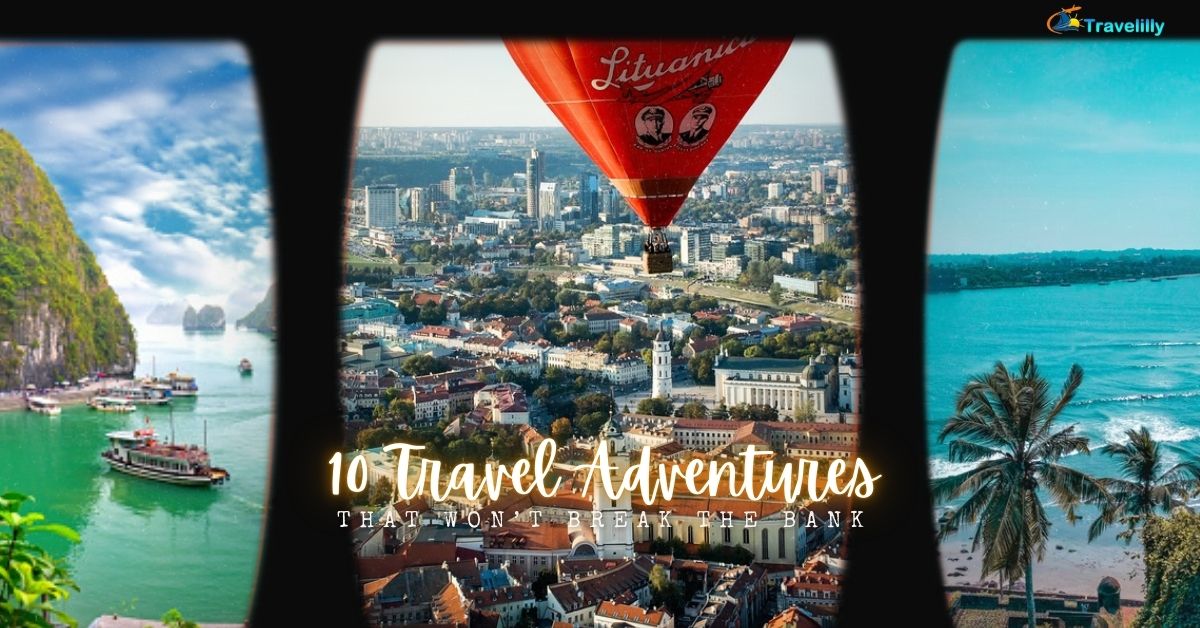
Travel Adventures That Won’t Break The Bank
Are you dreaming of a big adventure this year but feeling limited by your budget? Don’t let that hold you back! Check out these incredible destinations that offer unforgettable experiences and the best budget-friendly travel adventures. Think magic, excitement, and adventure—yes, all that and more. But here’s the best part: these are places where your dollars go the extra mile, letting you explore more for less. As a travel writer, I’ve been lucky enough to visit all 10 of these spots, and trust me, I’d jump at the chance to experience them all over again as a curious traveler. Let’s dive into your next affordable getaway! [wp_GAM_ADS_InPost1_shortcode] 10 Best Destination for Budget-Friendly Travel Adventures Vietnam Vietnam loads a whole lot right into its boundaries. Highlights consist of hazy Halong Bay with its fairy tale seascapes of sedimentary rock outcrops and also islands; the Mekong delta with its drifting markets; the old Vietcong passages at Cu-Chi near Saigon–currently formally referred to as Ho Chi Minh City. (Don’t stress over obtaining stuck: one passage has actually been specifically expanded for westerners.) Backpacker beds are extremely affordable, yet good resorts typically set you back much less than $40. A loading dish of pho bo beef noodle soup or 6 fish and shellfish springtime rolls is much less than a buck. In regional hangouts, Saigon Export beer prices 40 cents a container. For the best website traffic story to inform the individuals back home, go to Hanoi’s old quarter. Any effort to go across the roadway develops into a heart-racing journey. Not just are you emulating psycho-cyclos (rickshaw bikes), there are countless motorcycles and also mobility scooters whose motorcyclists relate to a red website traffic signal as a tip instead of a direction. Best area to experience the utter turmoil is from within a cyclo rickshaw. Lithuania, Eastern Europe The southernmost of the Baltic States, site visitors normally combine Lithuania along with Latvia and also Estonia. However, you can quickly invest a week in Lithuania alone. Quirky cities like Vilnius and also Kaunas are soaked in art, songs and also historic curiosities…mushroom-scented timbers and also farmers riding on haycarts… strange websites soaked in pagan practices…the windy sands of the Curonian Spit where you can beach-comb for brownish-yellow. Mid-June would certainly be a fun time to go. A legal holiday in Lithuania, the old pagan celebration of Rasos notes the summertime solstice. It’s an all-night event with vocal singing, dance, bonfire-leaping, searching for “magic” brushes, and also drifting garlands down rivers. Despite some significant alcoholic partying, most individuals take care of to remain awake to welcome the dawn. As for rates, just how around $2.54 for 3 potato pancakes with smoked salmon and also sour lotion and also $1 for a glass of Svyturnys beer? [affiliate_banner p=”cruise118_uk” t=”leaderboard”] Granada, Nicaragua From the easygoing early American city of Granada, you can do a whole lot in a week in Nicaragua: take on volcanoes…take Spanish lessons…browse through Masaya craft market as well as likewise the towns where shaking chairs, hammocks, and also ceramics are made; discover the Selva Negra’s cloud woodlands and also coffee ranches…conversation with deportees in the coastline searching community of San Juan del Sur…most likely to colonial Leon, where you could fulfill native Indians. Settling right into a shaking chair with a cool Victoria beer is a satisfaction that normally sets you back under $1 and also investing greater than $7 on a dish is tough. The Hotel Alhambra on Granada’s primary square sets you back a simple $30 an evening. Goa, Southern India India is past interesting, past anything you’ll ever before experience in other places. The simplest introduction to this brimming nation is the seaside state of Goa. Baking listed below an exotic cover of banana, coconut and also mango trees, this sleepy globe of Arabian Sea coastlines, bayous, and also spice-laden winds is marked with greater than a couple of tips of Old Portugal. You’ll discover dawn yoga exercise on the coastline, complete massage therapies for $8, dolphin journeys for around $6, and also vivid hippie markets. Including 4 beers, 2 individuals can consume in a coastline shack for under $10. And if you wish to reduce your costs to the bone, there’s holiday accommodation in basic coastline huts for just $8 an evening. [wp_GAM_ADS_InPost2_shortcode] Porto and also Northern Portugal Famed for its port red wine lodges (yes, they do supply totally free examples), Porto is Portugal’s 2nd city. An historical Atlantic trading port, its warren of laundry-hung streets dives to a waterside of watercrafts, webs and also fish dining establishments. Sheets of cod (bacalhau) hang outdoors supermarket with initial art nouveau tiled exteriors; the church of Sao Francisco has a gold fallen leave inside that would certainly make King Midas drool. Don’t miss out on the Bolhau grocery store or the Torre dos Clerigos, Portugal’s greatest belfry tower. From the top, you’ll obtain bird’s-eye views over the cluttered cityscape of churches, bridges and also red-roofed residences. By EU requirements, the cost of eating, holiday accommodation, and also public transportation throughout the area is impressive. Trains and also buses are an economical method to make exploratory day-trips along the coastline and also right into the inside of terraced wineries and also environment-friendly river valleys. Don’t miss out on Braga and also the thousand-stepped staircase of Bom Jesus church. On divine days, some explorers take on these actions on their knees. Montenegro After its split from Serbia, Montenegro is Europe’s most recent vacation location–as well as likewise the globe’s latest independent country. Along with three-course dishes for $7 and also areas secretive residences for $10, you’ll discover a land of craggy hills with a switch-backed Adriatic shoreline of bays, coastlines and also towns of light grey rock. The sea glows like blue topaz and also middle-ages walled communities with collapsing citadels and also royal residences are typically jazzed up with the winged lion symbol of the Venetian Republic. Now paint in abbeys slotted right into hill gaps and also angling towns

Why Greece Is the Perfect Place for Couples
Are you dreaming of a romantic escape with your partner to a place full of charm, beauty, and unforgettable memories? Greece is one of the most enchanting destinations for couples who want to get away from it all and enjoy quality time together. With its sun-kissed beaches, crystal-clear waters, charming villages, and historic sites, Greece offers a variety of experiences that cater to all kinds of romantic getaways. From the bustling islands of Santorini and Mykonos to hidden gems like Crete and Naxos, this Mediterranean paradise has something for every couple. Whether you’re looking to relax by the beach, hike scenic trails, or enjoy luxurious dinners by the sea, Greece is the perfect backdrop for creating unforgettable moments. In this article, we’ve rounded up the best places in Greece for a romantic week-long getaway, where you and your loved one can experience the true magic of this iconic destination. Ready to plan your romantic escape? Keep reading! 12 Best Places in Greece for a Romantic Week-Long Getaway When it comes to romance, Greece truly stands out. The country’s natural beauty, warm Mediterranean climate, and rich cultural heritage provide the perfect setting for a couple to create lasting memories. The diversity of landscapes—from stunning beaches and crystal-clear waters to charming mountain villages—means there’s no shortage of things to do and places to explore. Moreover, Greece’s historic landmarks and breathtaking sunsets add an extra touch of magic to any trip. Whether you’re strolling hand-in-hand through ancient ruins, savoring delicious Mediterranean food, or relaxing on a quiet beach, Greece offers an unforgettable atmosphere that makes it one of the best places in Greece for a romantic getaway. [wp_GAM_ADS_InPost1_shortcode] 1. Santorini: The Ultimate Romantic Destination There’s no denying it—Santorini is one of the best places in Greece for couples seeking romance. This iconic island is famous for its breathtaking sunsets, whitewashed buildings, and stunning caldera views. Imagine sipping wine with your loved one as the sun sets over the blue waters, painting the sky in hues of pink and orange. Santorini is perfect for a romantic week-long getaway. Take a boat tour of the caldera, enjoy a private dinner by the sea, or relax in a luxury cave hotel. Whether you’re exploring ancient ruins, shopping for local art, or simply strolling through the narrow streets of Oia, Santorini will offer plenty of opportunities to make unforgettable memories. Besides the famous sunsets and luxury cave hotels, Santorini offers plenty of additional romantic spots for couples: Fira Town: The island’s vibrant capital is a must-see, offering stunning caldera views and a charming atmosphere. Spend time in one of the many cafes overlooking the sea or wander the narrow alleys filled with boutiques and local shops. Ancient Thira: Explore this ancient city located on the highest point of the island, offering both historical intrigue and breathtaking views. Akrotiri Archaeological Site: Visit the Minoan Bronze Age settlement that was buried in volcanic ash. It’s a unique experience that combines history with awe-inspiring views of the island. 2. Mykonos: A Mix of Fun and Romance Mykonos is famous for its lively nightlife, but it’s also one of the best places in Greece for couples looking to enjoy some romance. The island features both vibrant beach clubs and peaceful, secluded beaches, making it ideal for couples who want to mix adventure with relaxation. During the day, you can relax on the quiet beaches of Psarou or Elia, then head to the town center for some shopping and dining. Mykonos is also home to iconic windmills and charming old town streets, perfect for a romantic evening stroll. Mykonos isn’t just about partying; there are plenty of intimate spots to explore: Little Venice: This area in Mykonos Town is filled with charming old houses perched right over the water. The sunset views from here are some of the best on the island. Delos Island: Just a short boat ride from Mykonos, Delos is a UNESCO World Heritage site known for its ancient ruins. Explore temples, theaters, and monuments—ideal for couples interested in history and culture. Psarou Beach: For a quieter day at the beach, Psarou offers crystal-clear waters and sunbeds where you can relax together. 3. Crete: Greece’s Largest Island Crete, Greece’s largest island, offers a perfect balance of adventure, history, and romance. Couples can explore ancient ruins like the Palace of Knossos, hike through the stunning Samaria Gorge, or relax on the beautiful Elafonissi Beach with its pink sands. The island’s charming villages and breathtaking landscapes make it one of the best places in Greece to connect with nature and each other. Crete is ideal for couples who want to combine exploration with relaxation. Crete offers so many romantic spots, from its beaches to its historical landmarks: Elafonissi Beach: This pink-sand beach is perfect for a romantic day, offering calm, shallow waters ideal for swimming. Samaria Gorge: If you and your partner are up for an adventure, hiking through this majestic gorge offers unparalleled views and the thrill of exploring one of Europe’s longest gorges. Chania Old Town: With its Venetian harbor, narrow streets, and lively cafes, Chania is the perfect spot for a romantic evening stroll or a quiet dinner by the water. 4. Naxos: Quiet Beauty and Culture For couples seeking a quieter, more authentic experience, Naxos is a great choice. Naxos is one of the lesser-known Greek islands, yet it offers incredible beauty, rich history, and a slower pace of life. The island is filled with beautiful beaches, charming villages, and ancient ruins like the Temple of Demeter. Stroll through the town of Naxos, visit the Venetian Castle, or enjoy a relaxing meal at one of the seaside tavernas. If you’re looking for peace and natural beauty, Naxos is one of the best places in Greece for couples. Naxos is a peaceful haven, with some hidden gems waiting for you: Portara: This iconic marble doorway, part of a temple dedicated to Apollo, sits on a small islet just off the coast. It’s the perfect spot for sunset

How Do Frequent Flyer Miles Work? A Simple Guide to Earning, Spending, and Maximizing Your Miles
Frequent flyer miles—those little points you collect when you book a flight—can make travel more affordable and rewarding. But how does frequent flyer miles work? If you’ve ever flown, you’ve probably heard about them, but how do you actually earn them, and more importantly, how do you use them? Whether you’re new to travel rewards or just curious about making the most of your miles, this guide breaks it all down for you in an easy-to-understand way. From credit card sign-ups to booking flights, understanding how these miles function can open the door to discounts, free flights, and upgrades. In this article, we’ll explore how flyer miles work, how many you need for a free flight, how to earn them with credit cards, and everything else you need to know to unlock the full potential of your miles. What Are Frequent Flyer Miles? Frequent flyer miles (also called loyalty points or travel miles) are a form of reward that airlines offer to encourage customer loyalty. When you fly with a particular airline or one of its partners, you earn miles based on factors like: The distance you travel The price of your ticket (often higher fare classes earn more miles) Your frequent flyer status (elite members may earn miles at a faster rate) These miles accumulate in a frequent flyer program, which is a reward system airlines use to keep customers coming back. [wp_GAM_ADS_InPost1_shortcode] How Does Frequent Flyer Miles Work? In simple terms, frequent flyer miles work as points that airlines offer you for flying with them or making purchases with their partners. The goal is to encourage you to keep flying with the same airline, rewarding you with free or discounted flights, seat upgrades, and other travel-related perks. Each airline has its own frequent flyer program, and you can sign up for free to start collecting miles. For example, if you fly with American Airlines, you’ll earn miles through their AAdvantage program, and if you fly with Delta, you’ll use SkyMiles. You don’t have to fly just to earn miles; other spending can also earn you miles. Some programs allow you to earn miles for things like hotel stays, car rentals, or even everyday purchases through credit card partnerships. How Many Miles Do You Need for a Free Flight? One of the most common questions people ask is how many flyer miles are needed for a free flight? Well, it depends on several factors: The airline and its reward system Some airlines require as few as 10,000 miles for a one-way flight in the U.S. (this is common with budget airlines or during off-peak times). For long-haul international flights, you might need upwards of 40,000 to 50,000 miles one-way, depending on the destination. Your flight class You’ll need fewer miles for economy class seats compared to business or first class, which can cost significantly more miles due to the higher value of these seats. Award seat availability The availability of award seats can vary. Some airlines offer “standard” award tickets, while others offer “saver” tickets that require fewer miles. It’s also important to note that frequent flyer miles aren’t always worth the same amount—depending on your booking time, demand, and whether the airline has a promotion running, the miles needed can change. How Do Airline Credit Cards Work to Earn Miles? Using a credit card that’s tied to a frequent flyer program is one of the easiest and fastest ways to earn miles. How do flyer miles credit cards work? Simply put, these credit cards allow you to earn miles for every purchase you make, which adds up quickly if you use the card for everyday spending like groceries, dining, or even paying bills. Many airlines have co-branded credit cards (American Airlines has an AAdvantage Mastercard, for example), and these cards come with perks such as: Bonus miles for signing up: When you sign up for a credit card, you might be offered thousands of miles as a welcome bonus. This can help jumpstart your points accumulation. Miles for everyday spending: Depending on the card, you can earn a set number of miles per dollar spent (often 1 mile per $1) or even more miles in certain categories like dining, travel, and gas. Elite benefits and priority perks: Many frequent flyer credit cards offer upgraded perks like priority boarding, free checked bags, and even complimentary airport lounge access. Annual fees: Be aware that many of these cards come with an annual fee, which can range from $50 to $500, depending on the benefits they offer. [wp_GAM_ADS_InPost2_shortcode] How to Maximize Your Frequent Flyer Miles If you want to make the most of your flyer miles, it’s important to use a strategy that maximizes your earnings. Here are a few tips on how to get the most out of your miles: 1. Use Airline-Specific Credit Cards If you often fly with a particular airline, using their co-branded credit card is an easy way to earn miles. Not only will you earn miles faster, but you’ll also gain access to perks like free checked bags, priority boarding, and access to airport lounges. 2. Book Flights Early To save miles and get the best deals, try to book your flights as early as possible. Award seats often become available months ahead of time, and if you book early, you’ll likely use fewer miles. 3. Look for Promotions Keep an eye out for special promotions and discounts that allow you to earn more miles or book flights with fewer miles. Some airlines offer double miles for certain purchases or special promotions that can save you a lot. 4. Combine Miles with Money Many frequent flyer programs allow you to combine miles with cash when booking a flight, which can be helpful if you’re short on miles. This flexibility gives you more options for booking award flights. How Do Miles Transfer Between Airlines? One of the advantages of being a frequent flyer is the ability to transfer your miles between airlines. However, how do
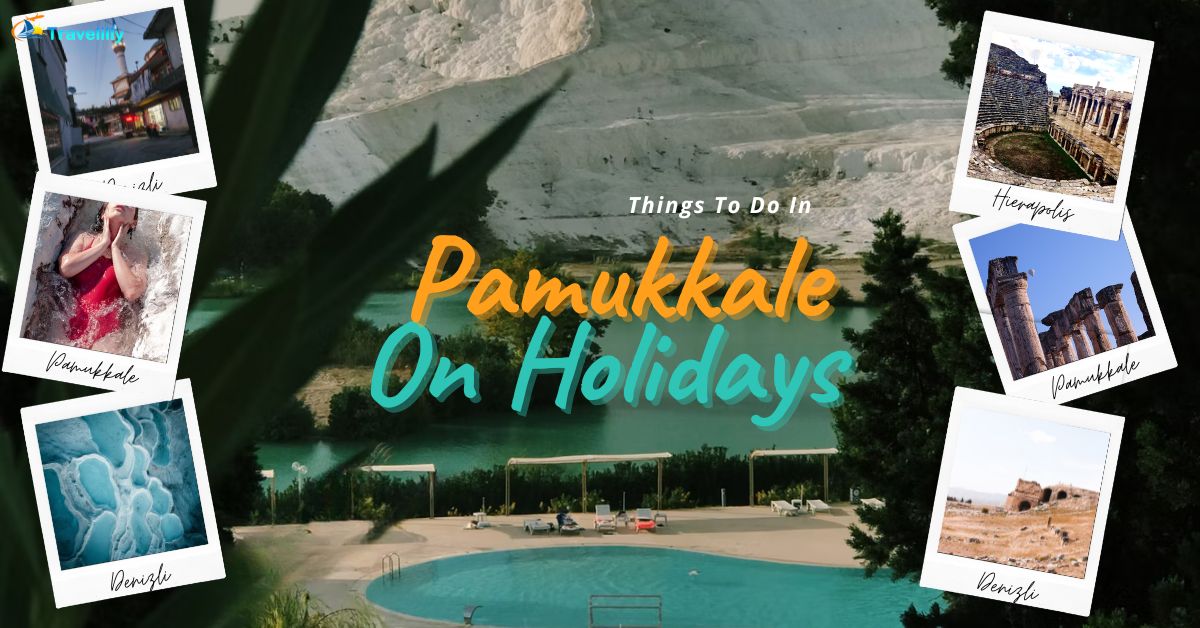
Things To Do In Pamukkale On Holidays
Nestled in southwestern Turkey, Pamukkale is a dream destination for those seeking natural beauty, relaxation, and wellness. Known as the “Cotton Castle” for its stunning white terraces formed by mineral-rich thermal waters, Pamukkale is a UNESCO World Heritage Site celebrated for both its landscape and healing properties. Visitors from around the world are drawn to its unique travertine pools, health treatments, and nearby historical treasures. Whether you’re in search of relaxation or rejuvenation, this guide will walk you through everything Pamukkale has to offer to make your holiday unforgettable. [wp_GAM_ADS_InPost1_shortcode] 8 Things To Do In Pamukkale On Holidays 1. Rejuvenate in Pamukkale’s Thermal Pools The highlight of any trip to Pamukkale on holidays is its thermal pools, natural wonders that look like cascading terraces of white stone. These terraces are formed by calcium-rich mineral waters that flow down the mountainside, creating a series of pools that reflect the sky’s hues—ranging from milky blue to aquamarine. These hot springs have been celebrated for centuries for their supposed health benefits, as they’re rich in minerals that can benefit the skin and support physical relaxation. Visitors can dip into the terraces to enjoy the warm waters, which are often recommended for ailments like arthritis, skin conditions, and overall fatigue. The waters are warm year-round, making it an ideal activity for any season. Walking barefoot along the travertines, you’ll feel the warm mineral-rich water flow around your feet, which not only relaxes muscles but can have exfoliating effects on the skin. A tip for visitors: avoid wearing footwear on the terraces, as it helps preserve the unique geological formations. 2. Experience Therapeutic Mud Treatments Pamukkale is also known for its healing mud treatments, which draw on a variety of natural muds to benefit the body. Spa centers and wellness hotels offer mud applications tailored to suit different ailments, from joint pain to skin conditions. Mud therapy can be rejuvenating, helping to draw out toxins and revitalize the skin. Specific programs are available to address gynecological health, respiratory issues, and other conditions. For those looking to relax, mud treatments aren’t just for medical purposes—they can also serve as a calming and detoxifying ritual. The mud applications are typically followed by mineral baths, which enhance the treatment’s benefits. Medical centers in Pamukkale ensure that these treatments are administered by professionals, making sure they are safe, even for those new to therapeutic mud. 3. Pamukkale’s Advanced Wellness Programs Pamukkale offers a range of specialized wellness programs, combining traditional techniques with modern therapeutic methods. One of the highlights is the rejuvenation program, which includes mud and paraffin baths, underwater massages, and even fitness sessions aimed at reducing stress and improving energy balance. These rejuvenation treatments are designed by global beauty and wellness brands like Clarins and incorporate advanced cosmetics for skin care, making Pamukkale a top choice for anti-aging therapies. These wellness programs include everything from full-body detox treatments to targeted facial rejuvenation sessions. Many hotels offer these spa treatments in luxurious, calming settings that provide the ultimate in relaxation. With the focus on restoring both mind and body, visitors leave feeling refreshed and renewed. 4. Weight Loss and Detox Programs For those aiming to shed a few pounds or simply detox, Pamukkale’s health centers also provide tailored weight loss programs. Combining mud and paraffin treatments with classical massages, exercise regimens, and even floral baths, these programs focus on natural and sustainable weight loss. Sessions may include hydrotherapy, underwater exercises, and targeted body treatments that use advanced medical equipment to stimulate weight loss and toning. Many programs also offer guidance in nutrition and lifestyle habits, allowing visitors to take healthy practices home with them. The calm surroundings and natural ambiance of Pamukkale add to the effectiveness of these weight loss journeys, helping participants focus on wellness without the distractions of daily life. [wp_GAM_ADS_InPost2_shortcode] 5. Physiotherapy and Advanced Medical Treatments For those with specific physical or medical needs, Pamukkale offers advanced physiotherapy options, including treatments using radar, ultrasound, and high-frequency infrared equipment. These technologies are utilized in conjunction with traditional therapeutic exercises to address various physical conditions, from neck and back pain to muscle stiffness and joint inflammation. Shortwave diathermy, electrotherapy, and intravenous therapies are also available under medical supervision, catering to individuals with chronic pain or mobility challenges. Pamukkale’s physiotherapy centers take a holistic approach, combining the benefits of thermal water therapies with physiotherapy exercises tailored to each individual. This creates a supportive environment where visitors can improve their health in a natural setting. 6. Visit the Hierapolis Ancient City Pamukkale is more than just a wellness destination; it’s also steeped in history. Just a short walk from the terraces lies Hierapolis, an ancient city founded around 190 BC. Known for its Roman baths, ancient theater, and vast necropolis, Hierapolis provides a captivating glimpse into the past. The city’s theater, with its well-preserved stage and seating, is a standout attraction, offering panoramic views over the surrounding landscape. A must-see in Hierapolis is the Cleopatra Pool, also known as the Antique Pool, where visitors can swim among submerged columns and artifacts. According to legend, Cleopatra herself once bathed in this pool, which is naturally heated and fed by mineral-rich spring water. The combination of thermal waters and historic ruins makes it a truly unique experience. 7. Paragliding Over Pamukkale For thrill-seekers, paragliding offers a bird’s-eye view of Pamukkale’s spectacular landscape. This activity allows you to soar over the white terraces, the ancient ruins of Hierapolis, and the surrounding valleys, providing an exhilarating and unforgettable experience. Paragliding tours are run by experienced guides and are available to people of various skill levels, including beginners. Imagine flying above the Cotton Castle, looking down on the terraces as they sparkle in the sunlight—an experience you’ll carry with you long after your holiday ends. It’s a fantastic way to see the full extent of Pamukkale’s natural beauty from a new perspective. 8. Explore the Local Cuisine and Markets While Pamukkale is known for its wellness and historical sites, the local Turkish cuisine

Must-Have Travel Essentials for 2025
Do you procrastinate when packing or get stressed at the last minute? You always leave some of the travel essentials behind. Please don’t feel bad, though, because even the most organized traveler can sometimes find it hard to figure out what must-have travel essentials to bring. This list of travel essentials will save you some time and headaches. [wp_GAM_ADS_InPost1_shortcode] 10 Must-Have Travel Essentials 1. Packing cubes Packing cubes are a must-have travel essential that help keep your suitcase organized and efficient. With their various sections, packing cubes make it easier to separate and store your clothes, accessories, and other items, so you can easily find what you need without creating a mess. Instead of rummaging through a jumbled suitcase, you can simply open the designated cube to access the contents, saving both time and frustration. This organization tool not only maximizes space but also helps you maintain a tidy, stress-free packing experience, making it an invaluable addition to any traveler’s gear. 2. Sleeping mask A highly underrated must-have travel essentials, a sleeping mask provides comfort both at home and while traveling, especially if you struggle with light sensitivity. Whether you’re on a plane, in a hotel room, or adjusting to a new time zone, a sleeping mask helps block out light, creating the perfect environment for restful sleep. It’s a must-have if you want to ensure uninterrupted sleep, making it easier to feel refreshed and energized during your travels. By including it in your packing list, you’re setting yourself up for better rest, no matter where your journey takes you. 3. Powerbank Before traveling, make sure to pack a power bank in your handbag, as it’s an essential item for keeping your devices charged throughout the day. This is particularly useful when you spend long hours away from your accommodation and need to ensure your mobile phone remains powered for navigation, communication, or capturing memories. Having a portable charger on hand guarantees that you’re never caught with a dead battery when you need it the most, making it a must-have for any traveler who relies on their devices while exploring. [affiliate_banner p=”wego_glb” t=”square”] 4. Purse or Crossbody sling A small bag is a travel essential when spending an entire day outside, providing a convenient and secure way to carry your belongings. Opt for one that is difficult to open easily or features smaller compartments where you can safely stash your wallet, phone, and other valuables. This not only ensures your items are secure but also allows you to access them quickly when needed. A compact, functional bag is perfect for day trips, helping you stay organized while offering peace of mind that your essentials are kept safe throughout your adventures. 5. Wallet A wallet is an essential travel item, particularly when you’re out exploring and need quick access to cash or cards. Smaller wallets are ideal for daily use, offering both convenience and security as they fit easily into small bags or pockets, reducing the risk of theft or losing important items. A compact wallet also keeps you organized without weighing you down, allowing you to carry just what you need for the day, from credit cards and ID to a bit of cash, making it a practical and safe choice for any traveler. 6. Book or Kindle Books are for those endless flights and airport layovers where you can’t sleep. The Kindle Paperwhite is also a great alternative because it’s a compact device that will give you the same excitement as reading a traditional book without the extra weight. 7. Toiletry Bag When it comes to travel essentials, a toiletry bag is one of the most necessary items as it serves as your primary source of hygiene while on the go. Opting for a waterproof toiletry bag is ideal, as it not only keeps your personal care items safe but also ensures that everything stays organized and protected from spills. Choose one that’s spacious enough to fit all the essentials you need, from toothbrushes and toothpaste to shampoo and deodorant. A well-packed toiletry bag makes it easy to stay fresh and clean, whether you’re traveling for business, exploring the outdoors, or discovering a new country. 8. Emergency kit It’s always wise to be prepared for accidents or emergencies while traveling, and having a small first-aid kit on hand can be a real lifesaver. Whether you’re embarking on an outdoor adventure or exploring a foreign country, a compact first-aid kit can provide the essentials to handle minor injuries, cuts, or discomforts. From bandages and antiseptics to pain relievers, this kit ensures you’re ready for unexpected situations, giving you peace of mind and helping you stay safe while enjoying your travels. 9. Headphones Headphones are another must-have essential for every traveler, especially those seeking peace and comfort on the go. Opt for a pair with noise-canceling features, which can be a game-changer in noisy environments, whether you’re trying to catch some sleep on a plane, block out the hum of a busy café, or simply enjoy your music or podcasts in peace. Noise-canceling headphones enhance your travel experience by creating a personal, quiet space wherever you are, making them a valuable addition to any traveler’s packing list. 10. Waterproof jacket It’s always good to be prepared. A waterproof jacket is a must-have travel essentials to add to your suitcase. Not only does it keep you dry during sudden rainstorms, but it also offers protection from the wind and chill, ensuring you stay comfortable no matter the forecast. A versatile and lightweight waterproof jacket can easily be packed without taking up much space, making it an essential part of any travel wardrobe. Whether you’re hiking, sightseeing, or simply strolling through a new city, this travel essential helps you stay dry, warm, and ready for whatever the adventure brings. WEGO – Discover the real value of travel [affiliate_banner p=”wego_glb” t=”square”] WEGO aims to inspire, to give more reasons, to make it easy — for you to travel.